View on GitHub
This one has a fun story behind it. We showed up to a hackathon with a completely different idea, realized it didn’t fit the theme, and pivoted to something new about six hours in. Somehow, that panic-driven change turned into a winning project.
The Idea
Kids don’t learn enough about money in school. That’s especially true in underfunded districts where financial literacy just isn’t a priority. We wanted to build something that could help with that - an app that teaches basic finance concepts in a way that’s actually engaging for younger students.
The core concept is pretty simple: make learning about money feel like a game rather than a lecture. We built interactive lessons and quizzes around topics like saving, budgeting, and basic economics, all designed to be approachable for elementary and middle school students.
Learning Flutter On The Fly
None of us had used Flutter before this hackathon. That was… a choice. We picked it because we wanted the app to work on both iOS and Android without building two separate codebases, which made sense for the time constraints. But it meant we were learning the framework while simultaneously trying to ship a product.
There’s something humbling about Googling “how to center a button in Flutter” at 2 AM during a hackathon. But we figured it out, and honestly, Flutter’s hot reload feature saved us. Being able to see changes instantly made the learning curve way more manageable.
How It Works
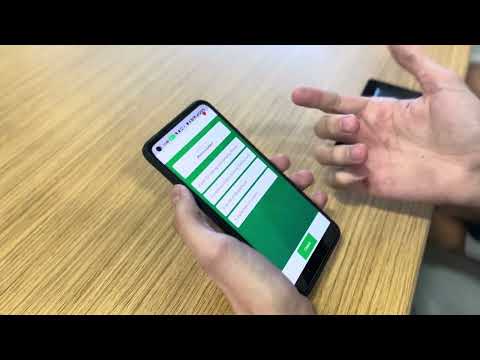
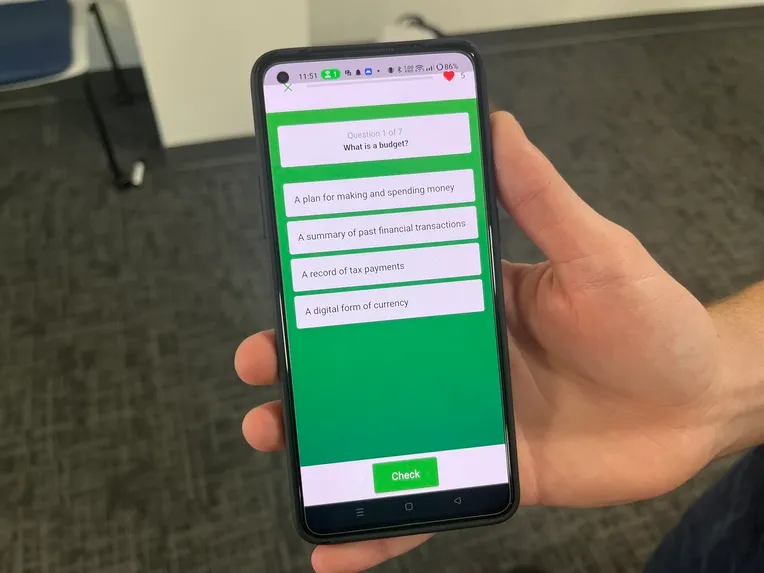
The app uses the OpenAI API to generate age-appropriate explanations and quiz questions. A student picks a topic, works through a short lesson, and then answers some questions to reinforce what they learned. We kept the interface really simple - big buttons, clear text, nothing overwhelming.
We leaned heavily on Material Design because it gave us a clean, consistent look without having to make a million design decisions under time pressure. Sometimes the best choice is the one that just works.
What We’d Do Differently
If we kept building this, I’d want to add adaptive difficulty so the questions get harder as students improve. We’d also expand the topics and add audio support so kids who struggle with reading can still use the app.
But for a hackathon project built in under 24 hours with a framework none of us knew? I’m pretty happy with where it landed.
Demo Video